Bank of England raises interest rate to 4% as energy costs lift inflation
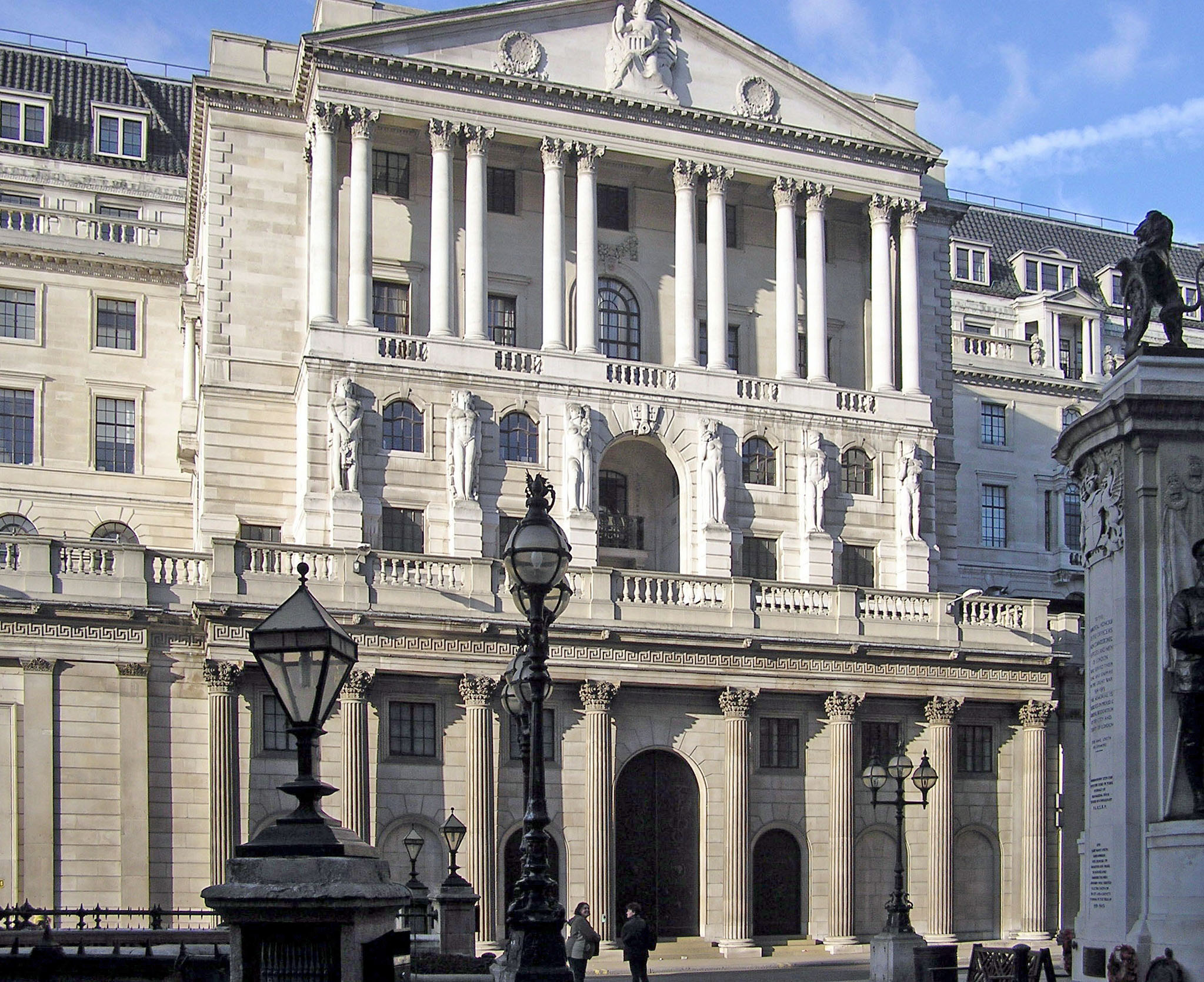
The Bank of England raised Bank Rate from 3.75% to 4% on Thursday, its first increase in more than three years. The Monetary Policy Committee voted 8–1 for the move, saying higher energy costs from the US–Iran conflict had put enough inflation pressure into the pipeline to warrant action. Reuters reported that the Bank now expects inflation to peak near 4.8% in the second quarter of 2027 and return to its 2% target in the third quarter of 2028.
What matters
The 4% decision is settled, but the path beyond it is not. Energy prices have moved quickly after the US midterms, so the next policy test is whether imported inflation persists in wages and services rather than whether one market move lasts.
Governor Andrew Bailey said another increase could be justified unless the inflation outlook softens. The guidance is conditional: the Bank also noted that oil prices had fallen sharply after the US midterms, and the Associated Press reported that a sustained decline could reduce the need for further tightening. A rate rise raises borrowing costs for households and companies, but mortgage and savings rates do not move uniformly or immediately.
“Bank interest rates” reached a 5K+ four-hour search bucket in Britain after the decision. That surge signals demand for an explanation, not evidence for the policy. The answer is that the official rate is now 4%; the next move depends heavily on energy prices, inflation persistence and incoming economic data.
Comments
Join the discussion with your Facebook account.