Amazon Indigenous leaders take environmental-crime demands to UN meeting
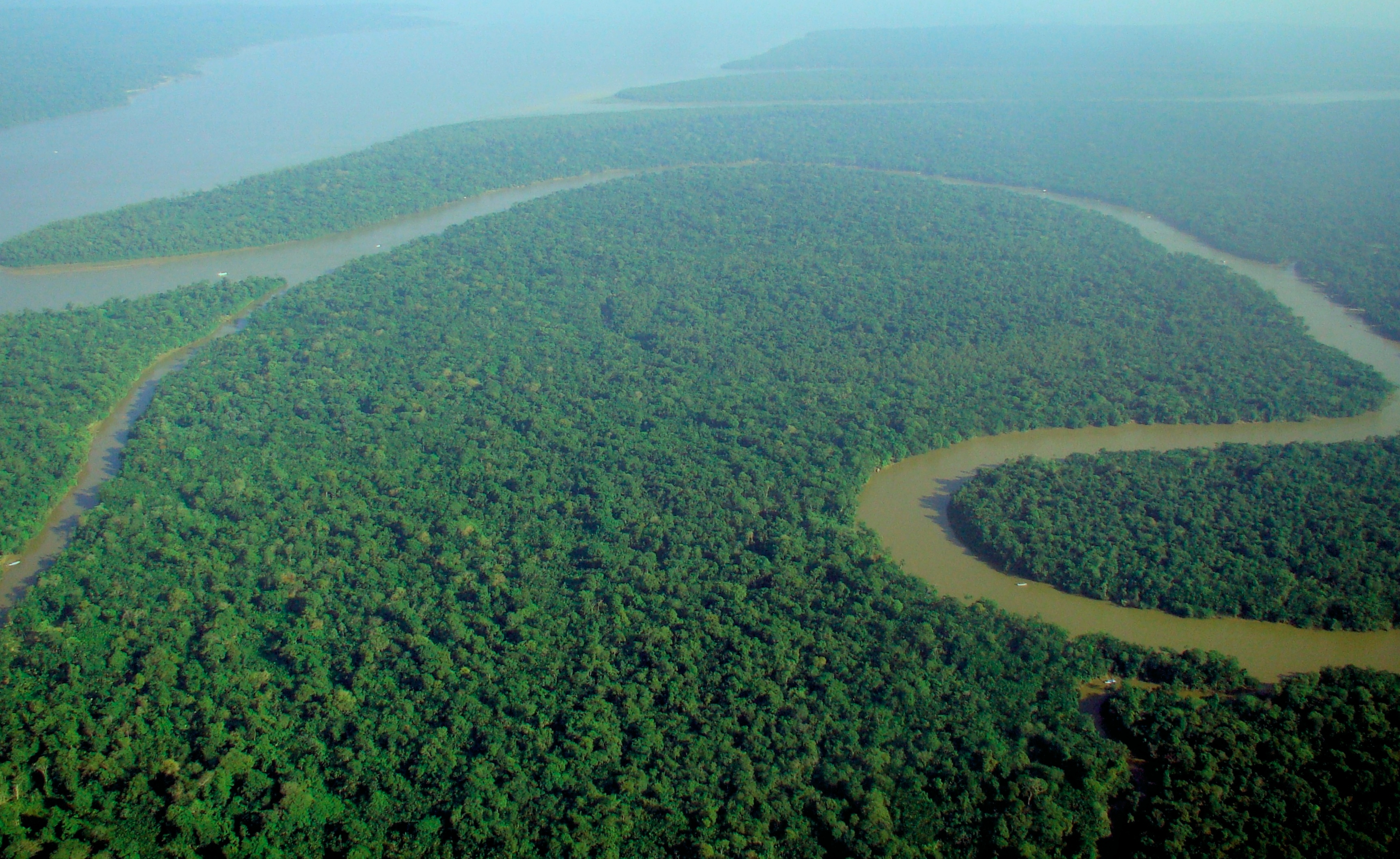
More than a dozen Indigenous representatives from Peru, Brazil, Colombia and Ecuador are taking proposals on environmental crime to the United Nations conference on transnational organised crime opening in Vienna on Monday. They want governments to pursue the financial networks behind illegal mining, logging and drug trafficking while giving Indigenous communities a meaningful role in drafting a proposed international agreement.
What matters
Indigenous communities are asking international negotiators to target the financial systems behind environmental crime, not only people operating mines or logging camps. A formal role in negotiations would help align enforcement with conditions on the ground.
The five-day COP13 meeting runs from 19 to 23 October. The UN Office on Drugs and Crime has documented how criminal economies overlap across the Amazon Basin, accelerating deforestation, contaminating rivers and exposing local leaders to violence. Amazon Watch, which is supporting the delegation, lists representatives of the Wampis Nation and other regional organisations among participants in events around the conference.
The delegates are also seeking recognition for Indigenous territorial guards and stronger protection of land rights. Their presence does not guarantee that governments will adopt a new protocol or give Indigenous representatives a formal negotiating seat. It does, however, move a cross-border security and environmental problem into the forum responsible for the UN organised-crime convention. The test will be whether states pair enforcement against local operators with investigations of the money, markets and officials that sustain the networks.
Comments
Join the discussion with your Facebook account.